REGION
THIS IS A MAGICAL PLACE. NOT ONLY ENCHANTING WITH ITS HOME TO DOZENS OF CIVILIZATIONS AND MILLENNIA-OLD HISTORY, BUT ALSO CAPTIVATING WITH ITS RICHNESS OF CLIMATE, SOIL, AND PEOPLE.
READ MORE
If the grapes return to the soil...
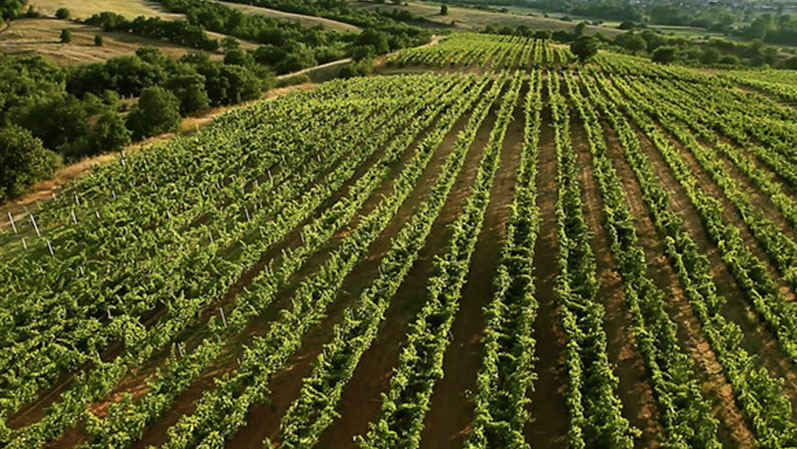
Our vineyards lie in Eceabat, nestled within the historical Gallipoli Peninsula, often cited as the homeland of grapes in many sources.
This is a magical place. It captivates not only with the presence of dozens of ancient civilizations and millennia-old history, but also with its rich climate, soil, and people.
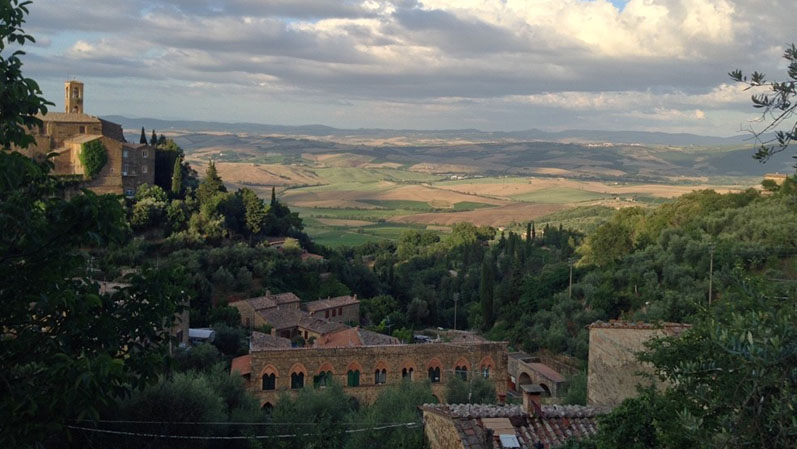
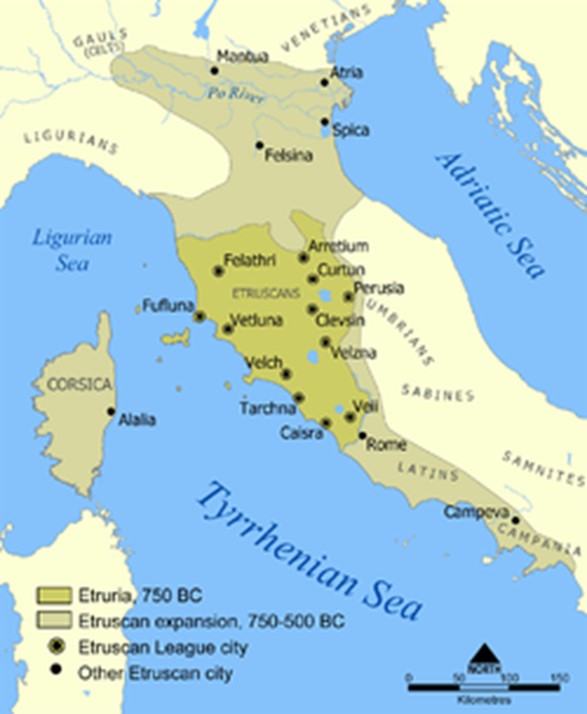
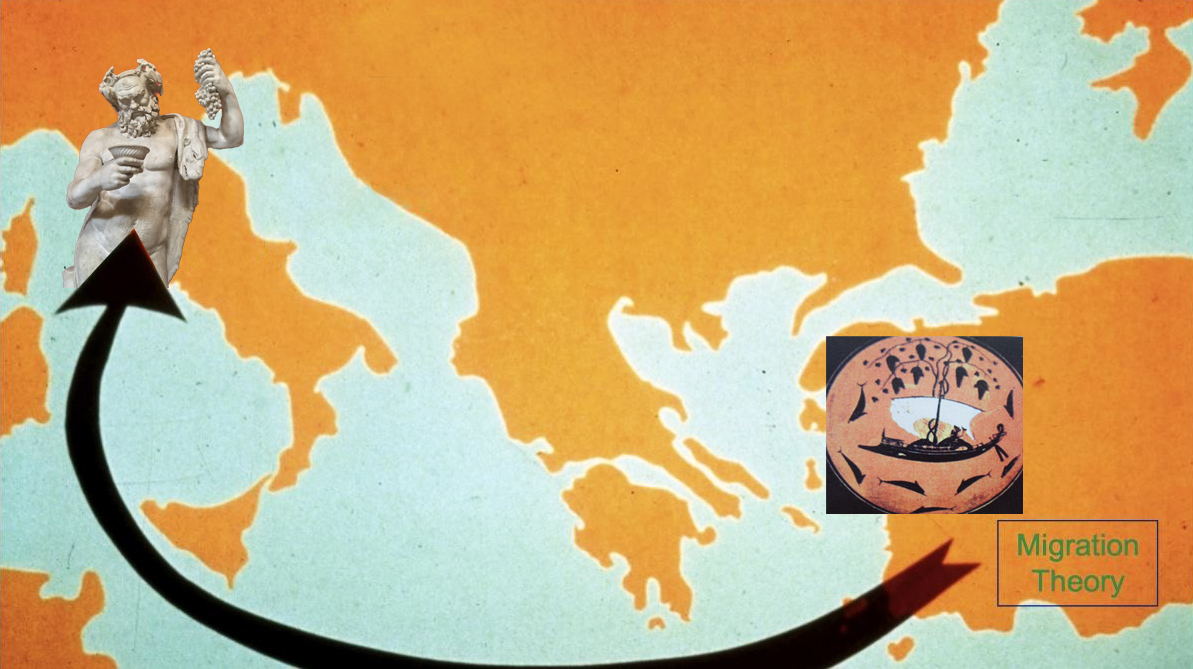
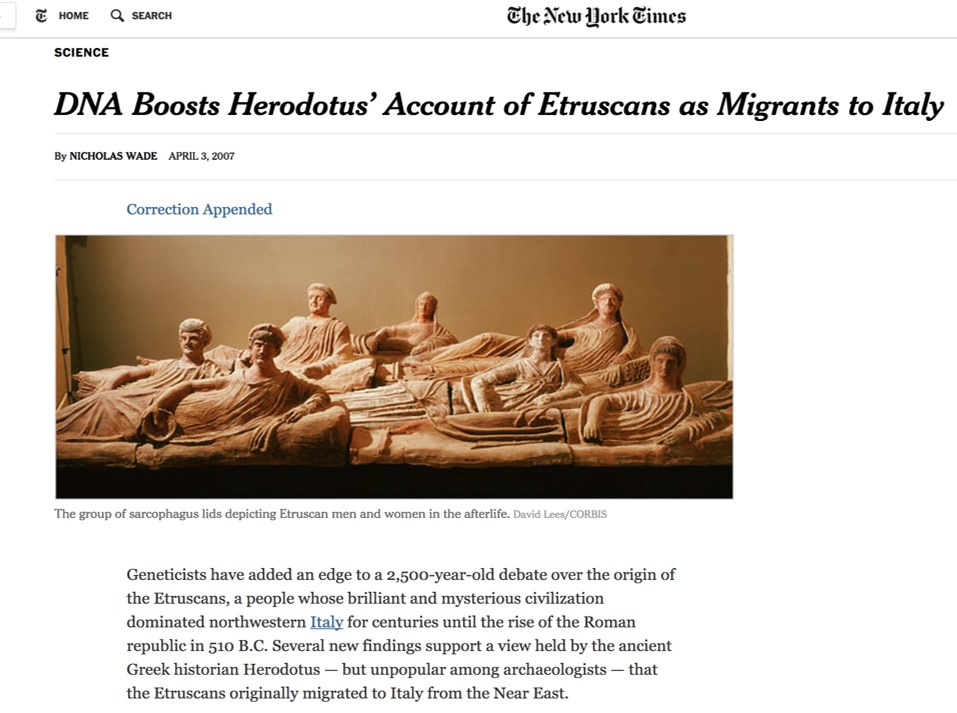
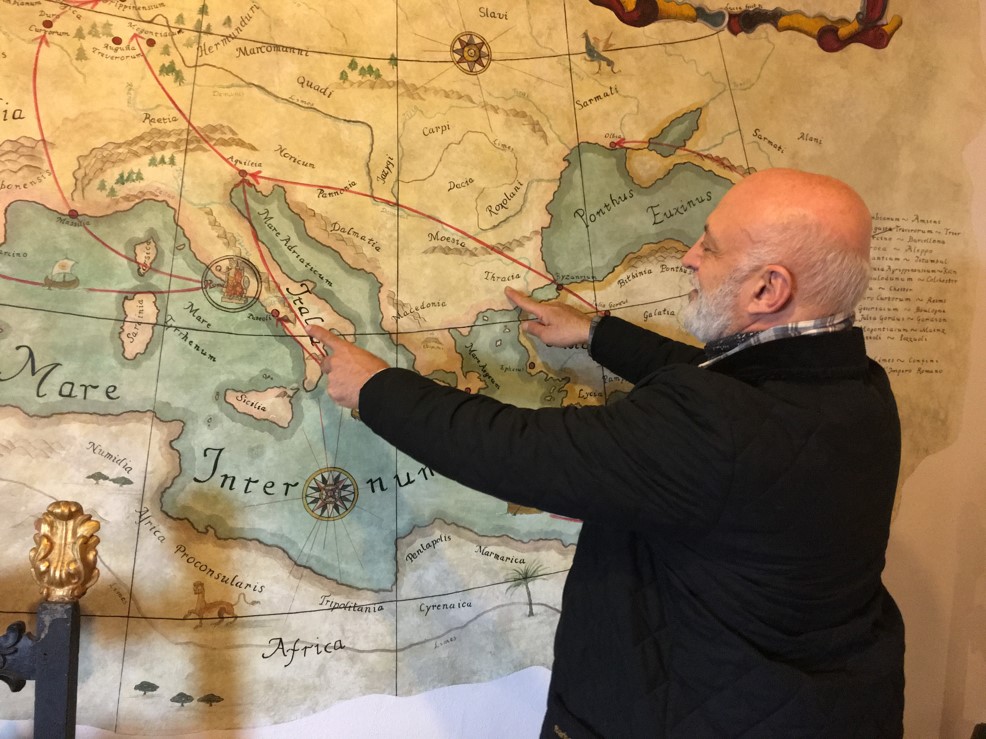
According to Herodotus, the Etruscans migrated to Italy over 3000 years ago, crossing the Aegean from Anatolia, introducing the grapes they brought with them and the art of winemaking to the Tuscany region. However, recent genetic research has cast doubt on this theory, which archaeologists have long questioned.
Yet, a scientist devoted to humanity’s journey and art, who understood the value of wine, became intrigued. He conducted his research and made his decision. “Those grapes would return here.” Carefully selected high-quality vines, best suited for twin-climate conditions in Italy, were chosen based on analyzed soil properties, transported with adventures, and…
The grapes returned to their homeland.
Our Vineyards
Our Vineyards
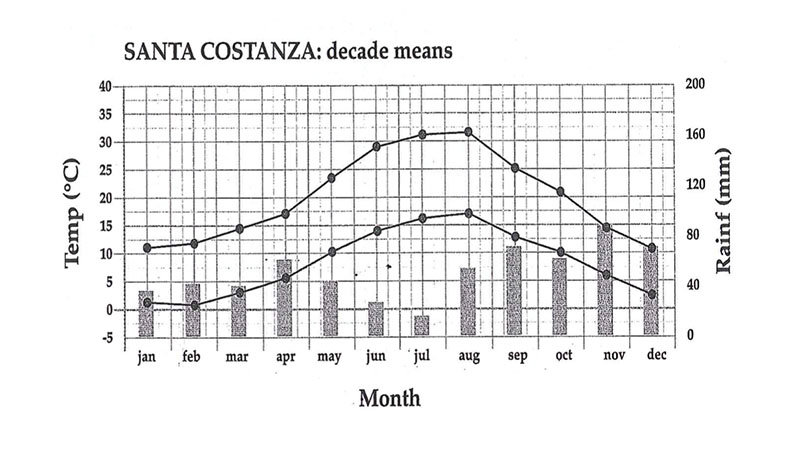
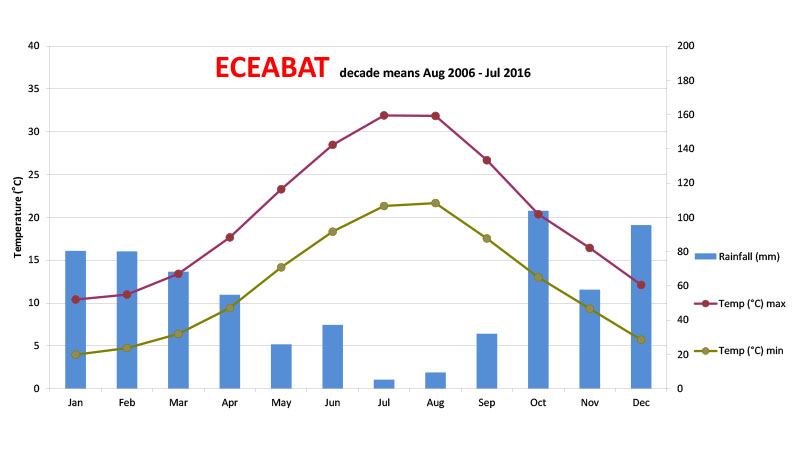
The decision to establish our vineyards in Eceabat was not coincidental. It was based on scientific soil analyses and ten years of meteorological data.
The timing and amounts of rainfall in Eceabat, along with temperature values, exhibit similarities akin to the twin climate of the regions where we imported our vines.
The soil characteristics here justify its title as the “Homeland of Grapes.”
We planted our first vineyards in September 2010.
Within our 100-acre vineyard, which includes natural water sources, besides Cabernet Sauvignon and Shiraz where we produced our first wines in 2018, we also cultivate Sauvignon Blanc, Petit Verdot, Cabernet Franc, and Sangiovese grapes brought to Italy by the Etruscans from these lands.
Why Etruscan?
Herodot, Etruscans’ migration to Italy from Thrace and the Aegean region.
The Etruscans, upon introducing their new homeland to grapes and winemaking, also taught their neighbors horse riding, ironworking, and advanced house-building techniques. They referred to wine as “Matu,” a term that is also found in Luwian, one of the oldest languages in Anatolia.
Despite not being widely accepted in archaeological circles, this migration theory has gained popularity recently with the support of DNA findings from genetic research.
For centuries, wine trade has existed between our country’s lands and Western Europe. Our goal is to produce internationally acclaimed wines from grapes reintroduced to their homeland, originally brought to Europe by the Etruscans. Thus, we hope to contribute to increasing this trade towards exports in the near future.